Food Storage Containers That Survive Real Meal Prep
How to choose food storage containers for weekly meal prep, covering lids, stacking, freezer use and the mismatched-container problem.
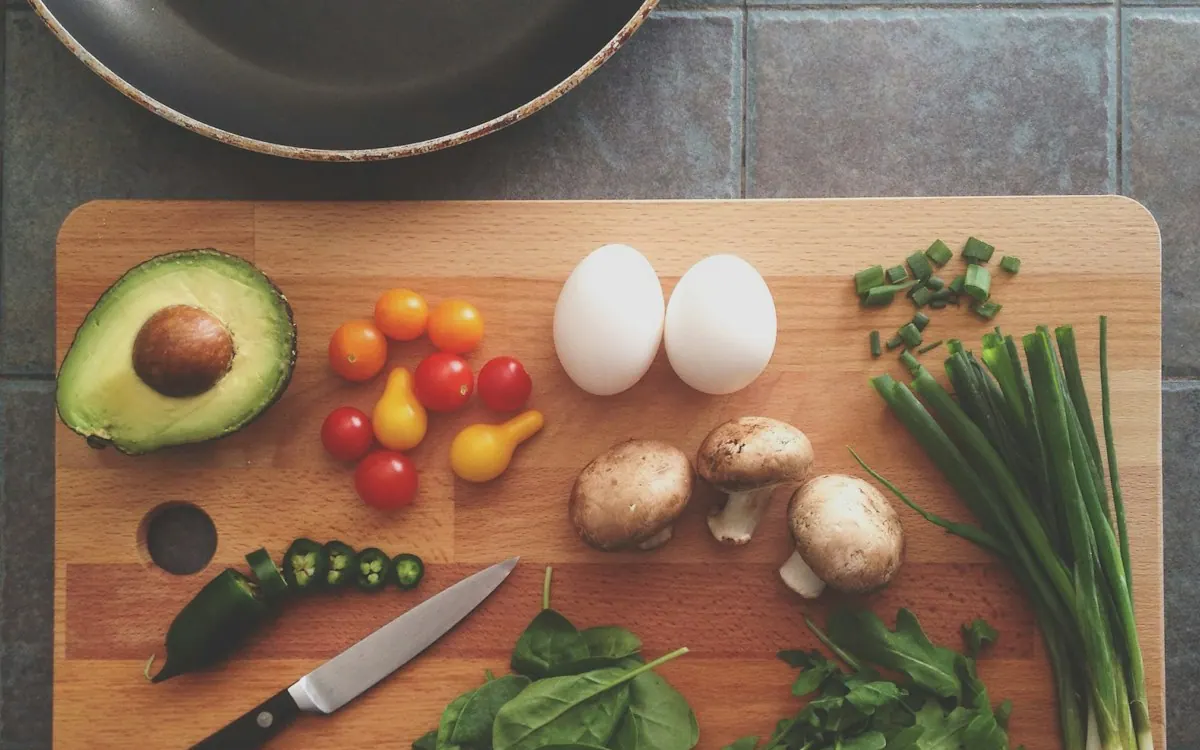
It is Sunday afternoon and the cutting board is crowded with chopped peppers, onions and broccoli. Four portions are going into the fridge, which is already packed with a half-used bunch of herbs, a jar of sauce and tomorrow’s lunch. The drawer under the counter holds nine containers and roughly six lids that might fit them. This is the moment meal-prep advice skips: the cooking is the easy part; finding a container that closes, stacks and survives the week is the actual work.
Food storage looks boring until you do it weekly. A mismatched tub leaking into a bag, a lid that will not seal, or a glass container that cannot go from freezer to microwave can undo an afternoon of batch cooking. Choose by how containers behave on a full shelf and in the two minutes before you leave the house, not by material alone.
The case for one system, not a drawer of tubs
The strongest argument for a matched set is that lids become interchangeable and shapes predictable. When every base takes the same lid and every container has the same footprint, a full fridge stacks into a tidy grid instead of a pile of odd angles, and you stop playing a matching game one-handed while holding a hot portion. Buying extra bases and spare lids from the same line is also far easier than hunting for a lid that fits a discontinued tub.
Glass, plastic and silicone
Each material solves a different problem, and published listings are fairly consistent about where each gives ground.
Glass, usually borosilicate, is commonly described as tolerating wide temperature swings and resisting stains and odours. It is generally listed as safe for the freezer, microwave and dishwasher — the least fussy route for a portion frozen Sunday, reheated Wednesday and washed that night. It is also the heaviest and the only one that can break.
Plastic is the lightest and, in nesting sets, the most compact when empty. Manufacturers commonly describe these sets as dishwasher-safe on the top rack, and many are sold with one lid size across several volumes. The tradeoffs are that some plastics hold onto the colour and smell of tomato- or curry-based dishes, and microwave-safety varies enough that it has to be checked on the exact line.
Silicone collapsible containers are generally listed as folding to a fraction of their height, a real advantage when the cupboard is the constraint. They are flexible, light and hard to break.
Lid design is half the decision
Read the lid description as carefully as the container. Locking tabs with a gasket are commonly described as more leak-resistant than a simple press-on lid, which matters if a portion travels in a bag. Vented lids are generally listed as letting steam escape during reheating. Flat, stackable lids help a full fridge; tall domed lids waste the gap above. The detail that decides long-term satisfaction is whether replacement lids are sold separately — lids are the part that warps, stains or disappears.
Microwave, freezer and dishwasher caveats
Treat these three words as per-product claims, not category guarantees. Based on published specifications, glass lines are the most likely to be listed for all three, while plastic lines frequently specify top-rack-only dishwasher use and sometimes exclude the microwave. Freezing also asks for headroom: liquid expands, and a container filled to the rim can push its lid off. Leave a gap, and let frozen glass warm briefly before full heat.
The tradeoffs nobody puts on the box
Every choice trades space against durability. Glass stacks neatly and cleans easily but eats cupboard space and adds weight to a work bag. Nesting plastic disappears when empty and survives a drop, but stains and may not take reheating. Silicone folds almost flat but is fussy to carry full and to wash. There is a quieter tradeoff too: the locking lid that never leaks is the one a tired hand wrestles with at lunch. None of this appears in a photo of a neatly arranged fridge.
Who should skip it
If you only store dry goods or a single night’s leftovers, a dedicated meal-prep set is more container than you need. If you regularly pack whole roasts or large batches, small rectangular portions will frustrate you — look at larger formats. And if you genuinely like a mix of sizes from different sets, there is no reason to replace a system that already works.
A short checklist before you buy
- Pick one material and one line, then buy extra bases and lids from that same line.
- Check listed capacity in cups or millilitres, not a vague family-size label.
- Confirm freezer-, microwave- and dishwasher-safety for the exact set and lid.
- Look for flat, stackable lids and a gasket that can be removed for cleaning.
- Confirm replacement lids are sold separately before committing.
- Measure fridge shelf depth and cupboard height against the nested stack.
The picks below are the categories worth comparing first. Prices move constantly, so check current price and availability on the retailer page before you commit — and read the capacity, lid and care details on the listing itself, since those vary between sets that look nearly identical in a photo.
Picks worth comparing
These are product categories to compare, not a ranked list. Recommendations are based on published specifications and household fit. Check the retailer page for current price, size and availability.
rectangular glass meal-prep container set with locking lids
Best for freezer-to-microwave leftovers — Batch-cooked lunches that go straight from fridge to microwave and back.
What to check
- Borosilicate glass is commonly described as tolerating wide temperature swings
- Locking lids are generally listed with a silicone gasket for a tighter seal
- Rectangular shapes are typically sold to stack without wasted corner space
Pros / tradeoffs
- Does not hold onto stains or odours the way some plastics can
- Goes from freezer to microwave to dishwasher in most listings
- Heavier to carry several portions to work
- A dropped corner or lid can chip or break
Prices change often. Check the retailer for the current price and availability.
nesting plastic food storage container set with one lid size
Best for a crowded fridge and a small cupboard — Households that want light containers that disappear into each other when empty.
What to check
- Containers are commonly described as nesting, with lids that also stack
- Generally listed as lightweight and dishwasher-safe on the top rack
- Often sold in a single lid size that fits several container volumes
Pros / tradeoffs
- Empty storage takes a fraction of the space a rigid glass set needs
- Light and forgiving if dropped
- Can stain or hold odours from strongly coloured sauces
- Microwave-safety varies by line, so reheating is not a given
Prices change often. Check the retailer for the current price and availability.
silicone collapsible food storage containers
Best when cupboard space is the real problem — Very tight kitchens where empty containers must fold nearly flat.
What to check
- Silicone bodies are commonly described as collapsing to a fraction of their height
- Generally listed as flexible, lightweight and freezer-safe
- Usually sold with a rigid lid that seals the expanded shape
Pros / tradeoffs
- Stores almost flat, which suits a drawer that is already full
- Won't shatter if knocked off a fridge shelf
- Flexible walls are awkward to carry when full of liquid
- Can hold onto oily residues and needs a thorough wash
Prices change often. Check the retailer for the current price and availability.
Common questions
For weekly meal prep, usually yes. When every lid fits every base and the shapes are uniform, stacking in a full fridge and grabbing a portion on the way out stop being small puzzles. The gain is not storage capacity; it is the number of decisions you make at 7am.
Many borosilicate glass lines are described by manufacturers as handling that range, but the claim depends on the exact product and lid. Check the listing for the specific set, and let frozen food thaw or use a defrost setting rather than shocking cold glass with full heat.
Buying containers a few at a time across different lines and sizes. Lids are rarely interchangeable between brands or even between shapes in one brand. Choosing one system, and buying extra bases and lids from that same line later, keeps the drawer coherent.
Four things: the listed capacity in cups or millilitres, whether the lids are described as leak-resistant, whether the containers are listed as microwave-, freezer- and dishwasher-safe, and whether replacement lids are sold separately.